Generator pricing often seems straightforward until homeowners discover how strongly their floor plan, wiring paths, appliance distribution, and power-use habits influence the final cost. Two homes with identical square footage can end up with very different installation and equipment expenses simply because their layouts impose distinct electrical demands. Backup strategies depend on where loads are located, how the breaker panel is configured, and what distances installers must cover to connect the system. Understanding these layout-driven differences helps clarify how much for a home generator and why solar-based options, such as the Anker SOLIX C2000 Gen 2 paired with a 400W solar panel, create more predictable costs. These systems operate independently of home wiring modifications, allowing homeowners to avoid layout penalties that often inflate traditional generator budgets.
How Layout Shapes the Initial Generator Investment?
The Impact of Panel Location and Wiring Routes
Electrical panel placement strongly influences generator installation costs because longer conduit runs, complex routing, or attic/crawl-space work increase labor and material expenses. Homes with centrally located panels usually require less wiring than those with panels in garages, basements, or exterior walls far from key appliances. Installers spend more time navigating structural barriers or long distances, which leads to higher bills. A portable solar generator avoids this challenge because it does not rely on rewiring the home to supply backup power. With the C2000 Gen 2 delivering 2,400W rated power and 4,000W peak, homeowners can support essential circuits or standalone appliances without restructuring their wiring paths.
Layout-Driven Differences in Appliance Distribution
Appliance grouping influences both recommended generator size and installation complexity. Homes with major loads clustered near the panel require fewer subpanel adjustments for backup. In contrast, layouts where appliances are spread across distant rooms or multiple floors often demand additional transfer switches or load-management hardware. These hardware additions increase cost even if the generator itself is the same model, which is often when homeowners start asking how much for a home generator, once layout-related upgrades are added into the estimate. A solar generator simplifies this scenario because it can be placed near the appliances it supports. For example, the C2000 Gen 2 can run a dual-door refrigerator for up to 32 hours, and adding a BP2000 expansion battery extends that runtime significantly without requiring structural modifications.
Influence of Home Add-Ons, Extensions, and Multi-Zone Systems
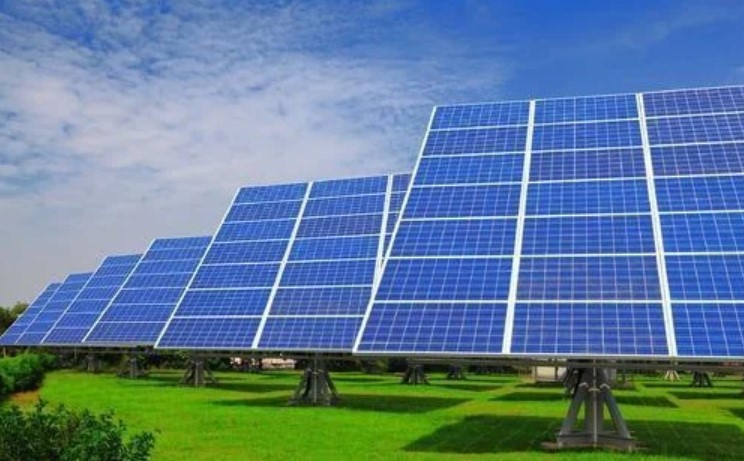
Homes with additions, finished basements, or multi-zone HVAC systems often require higher-capacity backup solutions. These layouts introduce more circuits, more surge loads, and more distribution panels that complicate generator installation. The cost difference between a simple one-zone layout and a multi-panel configuration can be substantial. Solar systems provide a modular alternative. The PS400 solar panel’s adjustable angles (30°, 40°, 50°, or 80°) give homeowners reliable recharging even in tight or irregular outdoor spaces, allowing them to scale capacity without reorganizing the home’s electrical infrastructure.
How Layout Influences Long-Term Operating and Maintenance Costs?
Differences in Energy Consumption Patterns Across Floor Plans
Open-concept homes often require more extensive climate-control loads during outages because the HVAC system works harder to maintain temperature in large shared spaces. Traditional generators must be sized to handle these larger continuous loads, increasing initial and operational expenses. Compartmentalized homes allow selective room heating or cooling, lowering generator demands. Solar generators offer a different equation entirely: instead of powering the entire HVAC system, homeowners often support essential zones or small appliances directly. With only 9W idle consumption, the C2000 Gen 2 preserves battery life effectively no matter how the home is structured.
Maintenance and Accessibility Challenges in Complex Layouts
Generator upkeep becomes more complicated when installation sites sit far from fuel lines, outlets, or accessible service routes. Homes with limited exterior space may need custom mounting or long-distance wiring that increases ongoing service costs. Solar generators eliminate these concerns because they require no fuel plumbing, no permanent mounting, and no specialized service access. The IP67 rating on the PS400 solar panel ensures reliable outdoor performance regardless of roof shape, yard structure, or weather exposure.

Layout Flexibility for Expansion and Future Upgrades
Homes with evolving layouts—such as renovated kitchens, converted garages, or added EV chargers—experience shifting electrical needs that can make earlier sizing decisions obsolete. Traditional generators are harder to upgrade because increases in demand often require replacing the entire unit. Solar generators offer smoother scalability. Adding an expansion battery or additional solar panel enhances capacity without interfering with the home’s wiring or structural layout. The C2000 Gen 2’s ability to recharge quickly—80% in 45 minutes using AC+solar—makes expansion practical even during emergencies.
Conclusion
Home layout plays a major role in generator costs because wiring distance, appliance placement, HVAC zoning, and accessibility shape both installation and long-term expenses. Two homes that look identical from the outside can require vastly different backup power budgets due to routing complexity, circuit distribution, or structural barriers. Many of these layout-related costs disappear with solar solutions. The Anker SOLIX C2000 Gen 2 paired with a 400W solar panel provides a modular, wiring-free approach that adapts easily to varied home designs and changing power needs. By understanding how layout drives generator pricing, homeowners can plan more accurately, avoid unnecessary overspending, and select a backup strategy that remains effective as their home evolves.